Automotive Stub Shaft Spline Wear: Repair or Replace?
You are at a stoplight, press the gas, and hear a sharp clunk before moving forward. In practice, seasoned mechanics note this common noise points directly to stripped stub shaft spline symptoms. That unsettling sound is actually your vehicle’s mechanical teeth slipping instead of gripping.
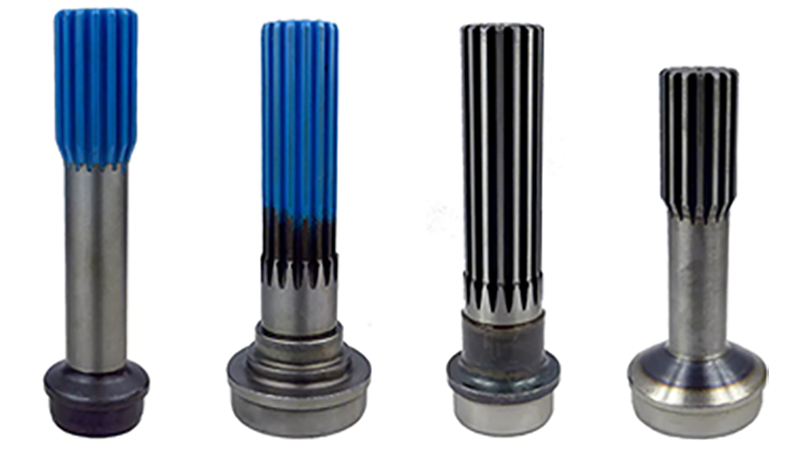
Connecting the transmission to your wheels requires a short, sturdy metal link called a stub shaft. Its ends feature raised ridges known as splines, which fit together exactly like interlocking fingers to transfer engine power. Eventually, constant friction rounds off these sharp edges into useless bumps.
Navigating this damage leaves you facing a costly dilemma: whether to repair or replace the worn components. Making the wrong choice could waste hundreds in shop labor.
The Teeth of Your Drivetrain: What Are Splines and Why Do They Fail?
Imagine interlocking your fingers tightly and twisting your hands. That is exactly how splines—the mechanical “teeth” on your stub shaft—grip the wheel assembly to make it turn. For a secure connection, the axle shaft spline engagement depth must be perfectly set so those metal teeth overlap deeply.
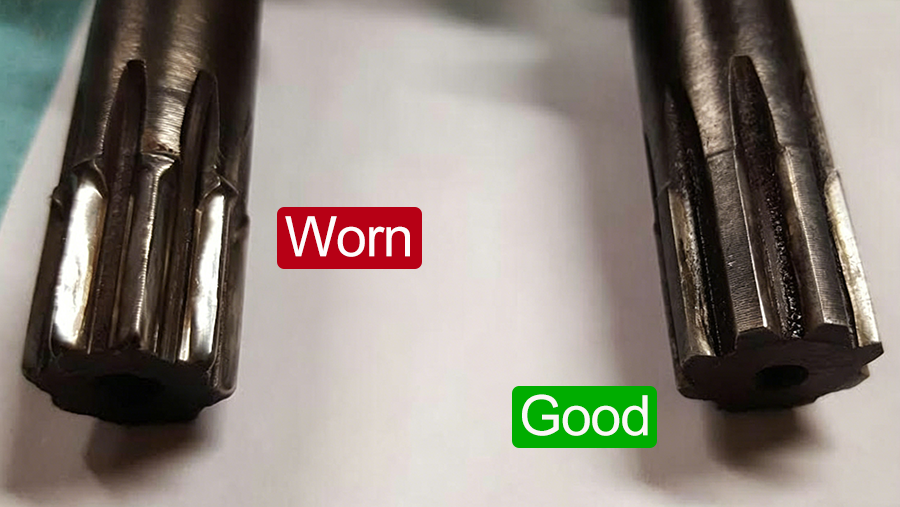
Over thousands of miles, however, this tight grip gradually weakens. Healthy, square-shaped teeth slowly grind down into sharp, slipping peaks. Mechanics looking for signs of spline metal fatigue are checking for these bent, exhausted teeth that can no longer handle the daily stress of your engine’s power.
The primary culprit behind this looseness is a microscopic rubbing process known as fretting corrosion in automotive splined joints. Small vibrations between the pieces of metal produce a rusty dust, slowly nibbling away at the connection until the pieces are rattling, rather than gripping. Because that erosion happens completely out of sight, you might not know that your drivetrain is breaking down until you hear the noises. Knowing the early warning signs keeps a completely stripped connection from leaving you standing on the side of the road, with tow truck in front of you.
Red Flags: Recognizing Stripped Stub Shaft Spline Symptoms Before They Strand You
Pressing the gas pedal all the way down and only hearing a sharp metallic slap of a clutch before the car moves is your first warning sign. That awkward, unforgiving hesitation—called drivetrain backlash—happens when worn splines have more empty space than they should between their meshed teeth. Unlike suspension rattle—which always clatters in somewhat random fashion across a pothole, stripped stub shaft spline symptoms ping precisely when you’re accelerating or shifting a gear. These silent changes are subtle, but detecting them early can save you thousands of dollars.
The majority of drivetrain vibrations and clunking come from a tell-tale progression of possible causes:
- Clunking: Sharp “pop” on starting up from reverse into drive.
- Vibration: Heavy, rhythmic floor shudder at highway speed.
- Whirring sounds: A continuous hum indicating the metal parts are no longer spinning perfectly straight.
Ignoring these warnings transforms a minor repair into a major breakdown. The risks of driving with worn drivetrain splines include constant wobbling that eventually destroys vital fluid seals, making the impact of worn splines on transmission health incredibly expensive. Once your vehicle hesitates severely during acceleration, it is no longer safe to drive. Fortunately, you can often verify this looseness at home before visiting a shop by inspecting the axle assembly.
The DIY Check: How to Inspect CV Axle Splines for Excessive Wear
Before handing over your keys, you can often feel the problem yourself using a simple “twist test.” Checking for mechanical backlash starts with grasping the thick metal axle tube under the car and twisting it firmly back and forth. Feeling a loose, clicking movement before the tire actually turns confirms the presence of an excessive gap. This sloppy clearance occurs when the interlocking teeth of these mating gears wear down, acting more like loose puzzle pieces than a tight, secure lock.
If a mechanic removes the part, perform a visual health check using this step-by-step method:
- Clean the metal: Wipe away the thick grease to fully expose the bare teeth.
- Check the shape: Apply the “90-percent rule”—the ridges should retain 90 percent of their original flat-topped factory shape, rather than looking like sharpened mountain peaks.
- Test the fit: Slide the cleaned shaft back into its slot to feel for side-to-side wobbling.
Peering into the transmission hole where the axle plugs in is equally crucial to spot differential side gear spline damage. You might wonder when is spline wear considered excessive; simply put, if those inner receiver teeth look chewed up or rounded off, buying a new axle alone cannot fix the slipping.
While repair shops follow exact steps for measuring spline backlash with specialized dial gauges, your hands and eyes can easily detect poor spline alignment. Once you confirm this metallic looseness, the next choice is critical regarding the repair approach.
The Big Decision: Is Spline Repair Possible or Should You Replace the Whole Shaft?
Facing an estimate for automotive stub shaft spline repair means choosing between a temporary patch and a permanent fix. Depending on the application, you might also need related components like a flange component, universal joint, or yoke shaft to ensure proper installation.
You might ask, can you repair stripped splines on a stub shaft? While machine shops can weld new metal onto worn teeth and re-cut them, this extreme heat permanently weakens the original steel. Patching a spline is a dangerous gamble; replacing it entirely is the only safe cure.
A quick look at the cost of rebuilding vs replacing axle shafts shows why buying new is simply smarter:
Rebuilt: $150–$300 (Weakened metal, prone to snapping under acceleration)
Aftermarket New: $100–$250 (Budget-friendly, highly reliable for daily driving)
OEM New (Original): $300–$600 (Exact factory match, highest maximum durability)
Your choice between aftermarket vs OEM replacement stub shafts depends entirely on your wallet, but the installation technique is what truly matters. Insist your mechanic uses high-pressure molybdenum grease for the splines before assembling. The molybdenum grease is thick, sticky lubricant acting like a stout shock absorber for those interlocking teeth; it stops the brutal metal-to-metal grind that destroyed your old axle. Armed with this pricing knowledge, you can accept the right repair without overpaying.
Your Drivetrain Roadmap: Final Tips for a Safe and Reliable Fix
You no longer have to guess how to fix drivetrain damage. You now have the knowledge to make a safe, cost-effective choice. When talking with your mechanic about the fix, use this short checklist:
- Inspect the mating gear for damage.
- Use high-quality grease to avoid future grinding.
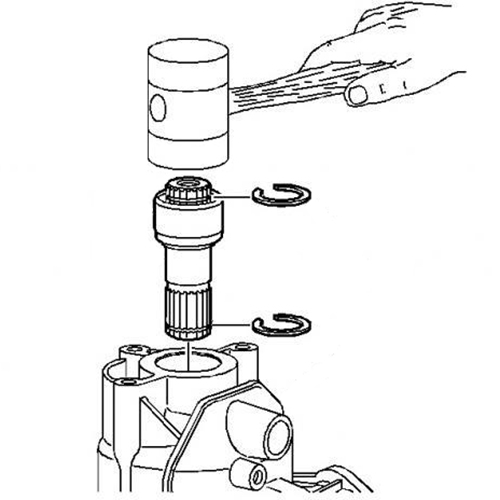
- Confirm that the snap-ring is clicking into place.
Understanding these mechanical components turns what could be a stressful visit to the repair shop into an informed discussion. Components like the center support bearing are critical for drivetrain stability, ensuring you can drive away safely and reliably.