
5 Signs a Driveshaft Flange May Need Replacement
When a driveshaft problem starts, most people look at the shaft itself first. That makes sense. It is the large, visible part of the driveline. But the connection at either end deserves just as much attention.
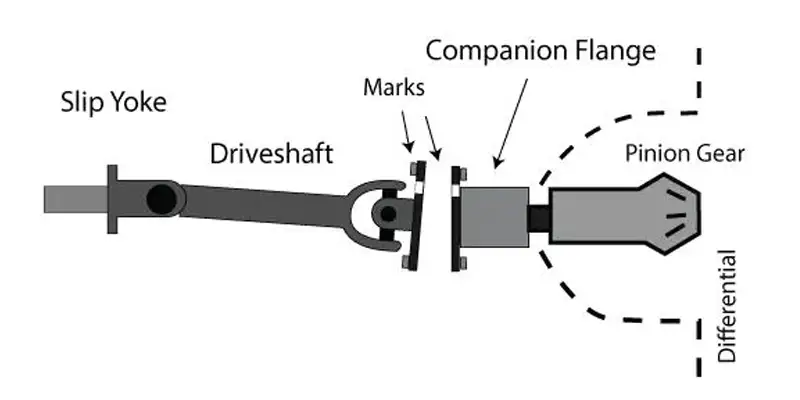
The driveshaft flange is responsible for joining the driveshaft to another part of the drivetrain, such as a differential, transfer case, or transmission. It has to deal with torque, vibration, and repeated loading every time the vehicle moves.
A flange does not always fail suddenly. In many cases, there are small warning signs beforehand. A vibration here, a strange noise there, or a mounting hole that no longer looks quite right. Catching these problems early can save you from a much bigger driveline repair later.
Here are five signs that a driveshaft flange may need replacement.
1. The Vehicle Starts to Vibrate
One of the first things the driver might notice is vibration.
Vibration can show up when accelerating, at a particular road speed or when the drivetrain is under load. Vibration might not even be noticeable at first. Some drivers will just say that they feel a gentle shake that wasn’t there before.
A flange can contribute to such vibration if it has become bent, worn or out of place. The connection between the driveshaft and its mate no longer aligns exactly as it should, and this can affect the rotation of the shaft.
That said, don’t just assume a flange is the cause. A bent driveshaft tube, worn universal joint, damaged center support bearing, or poor driveline balance can produce very similar symptoms.
A good inspection should look at the whole driveline.
2. You Hear a Clunk or Notice Movement at the Flange Connection
A noticeable clunking noise while moving from a stop is another warning sign.
You can hear it shifting from reverse into drive, coming off the brake after coasting, or picking up speed again on the throttle. Often, the noise comes from the drivetrain absorbing the load.
One possible source for that is movement at the flange connection. If the mounting bolts are loose, the fix is evident: first check and adjust them. Tightening bolts will not fix a flange already with a damaged bolt hole or a damaged mating surface.
Look closely at the bolt holes. They should be clean and regular in shape. If they are elongated, damaged or show evidence of repeated movements, the flange may not be clamping the connection firmly enough.
3. The Bolt Holes Are Worn or Damaged
This is one of those problems that can be easy to miss.
A flange may still look perfectly usable from a distance, while the bolt holes tell a different story. Repeated vibration, high torque, incorrect installation, or loose hardware can gradually wear the holes.
Instead of being properly round, a hole may become elongated or develop visible damage around its edges.
Pay attention to:
- Elongated bolt holes
- Cracks around the mounting holes
- Heavy wear marks
- Uneven contact between the flange and mating component
- Signs that the flange has been moving against the bolts
Once the mounting holes are badly worn, the problem is more than cosmetic. The bolts need a stable mounting surface to keep the flange in its correct position.
This is a good reason to inspect the flange whenever a driveshaft is removed for other repairs.
4. You Find Cracks or Deformation
Sometimes the condition of a flange is obvious.
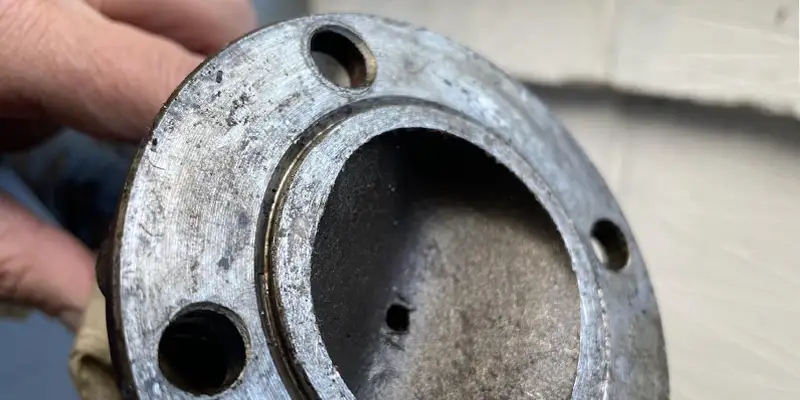
During inspection, check the entire component rather than looking only at the bolt holes. Cracks can develop around highly loaded areas, while impacts or excessive loads can leave the flange bent or deformed.
Surface rust is not necessarily a reason to replace a flange. But deep corrosion, cracks, serious scoring, or obvious distortion deserve much more attention.
A cracked flange should not be treated as a minor issue. It is part of the drivetrain connection and is subjected to repeated torque loads. Continuing to use a structurally damaged component can create additional problems elsewhere in the driveline.
If the damage is difficult to judge, have the component inspected before putting it back into service.
5. There Is Excessive Wear Around the Center Bore
The center section of a driveshaft flange is important too.
Many flange designs use a center bore or pilot section to help locate the component accurately. When this area becomes worn, damaged, or corroded, the flange may not sit correctly against its mating surface.
Look for unusual wear marks, fretting, scoring, or damage around the bore and mounting face.
This is particularly important when replacing an old flange. Two parts can look almost identical but still have different pilot diameters, bolt patterns, or mounting dimensions.
That’s where fitment details matter.
How Do You Check a Driveshaft Flange?
A basic inspection doesn’t require anything complicated.
Start by cleaning the flange so that cracks and wear are easier to see. Check the bolt holes, mounting face, center bore, and surrounding metal. Look for anything that suggests the flange has been moving when it should have remained firmly fixed.
If you are investigating a vibration or noise, inspect the other driveline components at the same time. The universal joints, driveshaft tube, center support bearing, fasteners, and mating flange can all affect the final result.
And don’t overlook the bolts. A damaged flange and a loose fastener can create similar symptoms, but they obviously require different solutions.
Final Thoughts
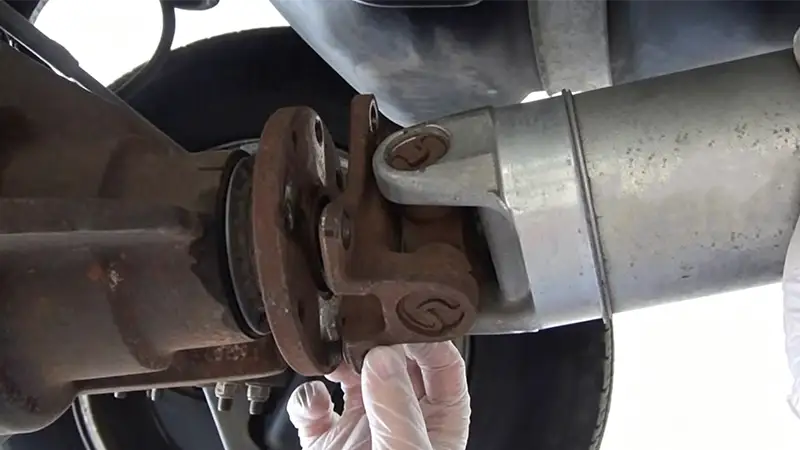
A driveshaft flange isn’t a complicated-looking component, but it has a demanding job. It has to keep a drivetrain connection secure while dealing with torque and constant movement.
If a vehicle develops a new vibration or clunk, don’t ignore it. Check the flange along with the other driveshaft components. Damaged bolt holes, cracks, deformation, and excessive wear around the center bore are all good reasons to take a closer look.
And when replacement is necessary, don’t rely on appearance alone. Bolt pattern, center bore, pilot diameter, dimensions, and application all need to match.
Getting those details right can make the difference between a replacement part that fits properly and one that looks right but doesn’t belong on the vehicle.