How to Choose the Right Midship Stub Shaft
Most driveline problems don’t begin with a broken part.
They begin with a vibration.
Sometimes it’s so slight that the driver ignores it. Other times, it only appears while towing a trailer or driving at highway speed. A few weeks later, the vibration becomes more noticeable. That’s usually when people start replacing parts.
The universal joints are often the first suspects. Tires get balanced. Wheel bearings are checked. Yet the problem doesn’t always disappear.
In many repair shops, that’s the point where attention shifts to the midship stub shaft.
It’s not the biggest part in the driveline, and it’s not even the most talked about. Still, it does play an important part in transmitting torque and keeping the driveshaft aligned. When it wears out, or the wrong replacement is fitted, the symptoms can be frustratingly familiar.
Choosing the right replacement isn’t difficult. The challenge is knowing what to look for before clicking the “Buy” button.
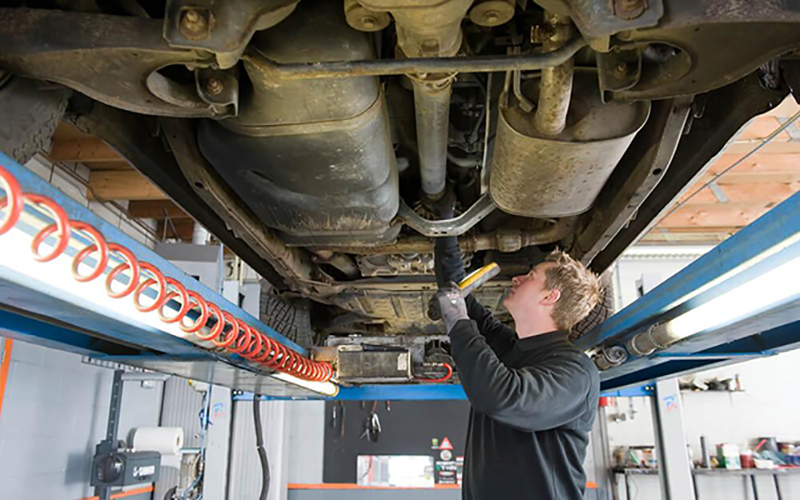
Table of Contents
1. Similar Parts Can Lead to Very Different Results
One topic comes up regularly in truck and farming communities.
“This replacement shaft looks exactly like mine. Will it fit?”
It’s a fair question. Product photos rarely show the differences that actually matter.
For example, a shaft for one truck looks almost the same as one for another, but spline count, overall length, or the connection style can be all different. Those little differences are enough to affect driveline alignment and long-term durability.
That’s why experienced parts suppliers ask for more than just make and model. They often need the engine, transmission, wheelbase, drivetrain configuration or even the OEM part number.
At first, it may seem like unnecessary detail.
In reality, those details eliminate most compatibility problems before the order is even placed.
2. Measurements Tell the Real Story
People naturally compare photos first.
There’s nothing wrong with that. It’s simply how most of us shop online.
The problem is that driveline components aren’t selected by appearance. They’re selected by dimensions.
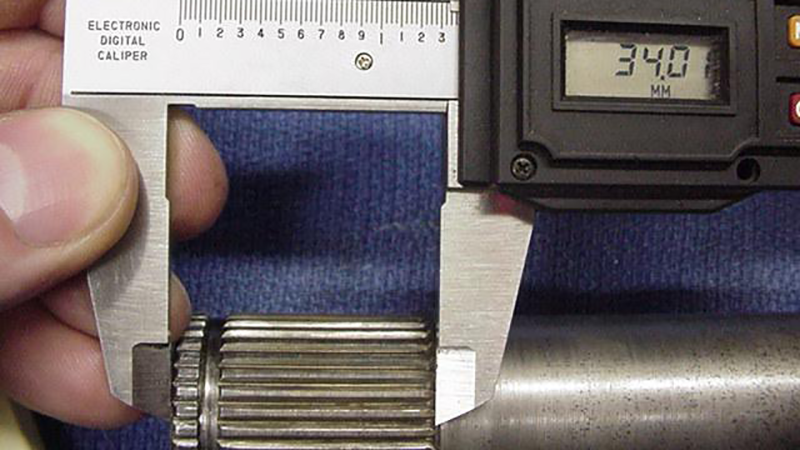
A few millimeters may not sound significant, but they can change the way a shaft fits and performs. The same goes for spline count, shaft diameter, and bearing journal dimensions.
One driveline technician once summed it up perfectly:
“Pictures help you recognize a part. Measurements tell you whether it belongs on the vehicle.”
That’s advice worth remembering.
Before ordering a replacement, compare the original shaft carefully. Measure the overall length. Count the splines. Check the connection points on both ends. If technical drawings are available, compare those as well.
It takes a little more time.
It can also save you from repeating the entire repair.
3. Inspect the Old Shaft Before Replacing It
Look Beyond the Failed Shaft
When a worn shaft comes out of the vehicle, many people set it aside and focus on installing the new one.
That’s understandable.
But the old part often tells an important story.
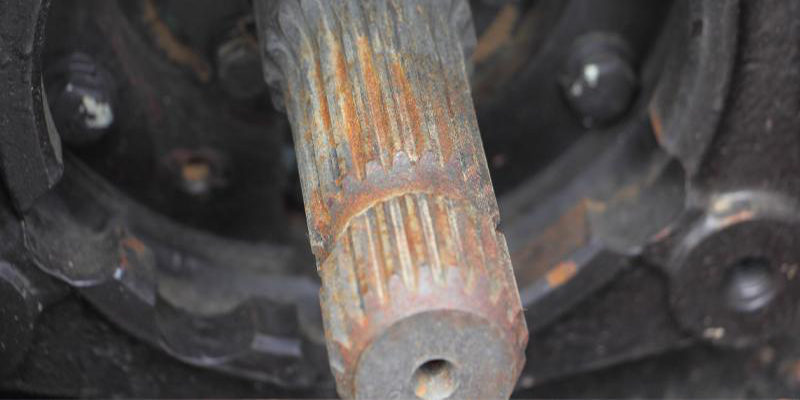
Rounded splines usually indicate years of gradual wear. Rust inside the connection may point to moisture entering the assembly. Uneven wear patterns can suggest that another driveline component has been putting extra stress on the shaft for a long time.
Experienced mechanics rarely throw the old part away without taking a closer look first.
Not because they expect to reuse it.
Because they’re looking for clues.
Understanding why the original shaft failed often prevents the replacement from suffering the same fate.
After all, replacing the symptom is only half the repair. Finding the cause is what makes the repair last.
4. Choose According to How the Vehicle Is Used
The Vehicle’s Job Matters More Than You Think
Not every truck lives the same life.
Some spend most of their time on the highway with little more than daily commuting. Others pull equipment from one job site to another. Farm trucks may work even harder. During planting or harvest, they often carry heavy loads, travel across uneven ground, and operate for long hours without much downtime.
Those different jobs place different demands on the driveline.
That’s why it makes sense to think beyond price alone.
A replacement shaft that performs well in light-duty service may not be the right choice for equipment working long hours under load. Selecting the part to match the job is just as important as selecting it to match the vehicle.
Owners of agricultural equipment understand this better than most.
When the weather is right, every hour counts. A truck or tractor sitting in the yard waiting for another replacement part doesn’t just delay the work. It can affect the entire schedule for the day.
Choosing carefully the first time is usually the better investment.
5. Inspect the Entire Driveline
Don’t Forget the Rest of the Driveline
Here’s something experienced technicians mention all the time.
A worn midship stub shaft is often part of a bigger picture.
Universal joints, center support bearings, companion flanges, slip yokes, and mounting hardware all work together. Over thousands of miles, they wear together as well.
So, if one of the components has reached the end of its service life, take a closer look at the others. Many repair shops will simply do this. Once the driveshaft is already out of the car, inspecting the components around it only takes a few extra minutes. Replacing a worn bearing or loose mounting hardware, for example, at the same time is usually much easier than taking the whole thing apart months from now.
The good news here is that many of these checks don’t require special equipment. You can see problems with careful visual inspection and with a little hands-on testing before they become costly repairs.
6. Buy with Confidence, Not Assumptions
Shopping for replacement parts has never been easier.
Finding the right one can still take a little homework.
It’s easy to focus on the product photo or compare prices first. That’s understandable. After all, many replacement shafts look nearly identical on a screen.
The real value comes from the information behind the product.
- Does the supplier provide complete dimensions?
- Is compatibility clearly explained?
- Can they confirm the OEM reference number?
- Are material specifications or manufacturing details available?
Those questions may seem simple, but the answers often tell you more about the product than any marketing description.
A supplier who understands driveline components should be comfortable discussing those details. Clear technical information is usually a good sign that the part has been developed for the application, not simply added to a catalog.
Final Thoughts
Replacing a midship stub shaft isn’t simply about getting a vehicle back on the road.
It’s about restoring the entire driveline to the way it was designed to work.
That starts with accurate vehicle information. It continues with careful measurements, a close inspection of the original part, and a better understanding of how the vehicle is actually used.
None of those steps are complicated.
They simply need to have a little patience. Whether the vehicle roasts its days on a highway, plows at a construction site, or helps out a busy farm in harvest season, selecting the right replacement makes everything in the entire driveline work more smoothly and more reliably.
In the end, a good repair is seldom the fast one. It’s the one that gets the problem solved the first time—the vehicle working when it needs to.