
The Most Common Types of Automotive Flanges and Their Uses
Flanges are often ignored, but they are present all over a car. Flanges connect pipes and components. They form a closed system and also serve for the smooth operation. Knowing about flange types can make it faster and more easy to detect automotive troubles.
Exhaust Flanges: Don’t Let Gases Escape
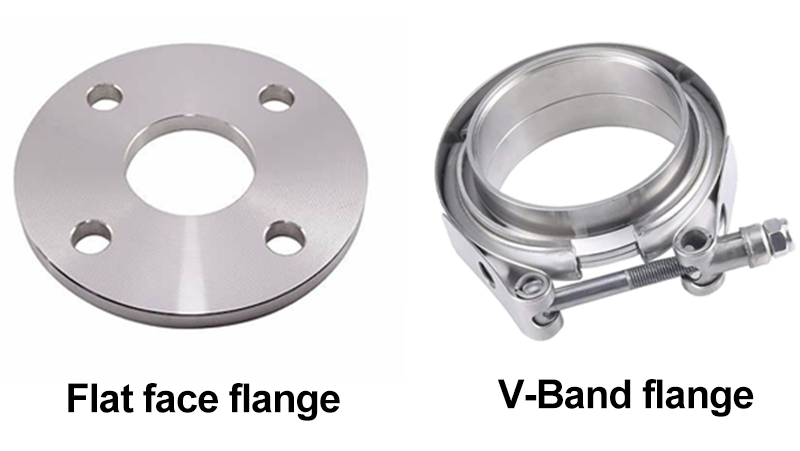
Under the car, exhaust flanges are the easiest to spot. Most cars come with simple flat flanges, but performance fans often use V-band clamps—they’re fast and easy to work with.
Common Types of Exhaust Flanges:
- Flat Flange (Flat Face Flange): Rigid flange, relies on gaskets and bolts, commonly used in regular exhausts.
- V-Band Flange: Fast fitting type, favored by aftermarket performance exhaust.
If yourcar suddenly ticks or you smell exhaust in the cabin, check the flange. Usually, a quick clean, some heat-resistant sealant, and a new gasket fix it. Stainless steel ones resist rust and last longer.
Coolant Flanges: Keep Your Engine Cool
These flanges don’t look like much, but they’re critical. A tiny crack can overheat your engine fast. I’ve seen coolant puddle under a car before the gauge even warned me.
Common Types of Coolant Flanges:
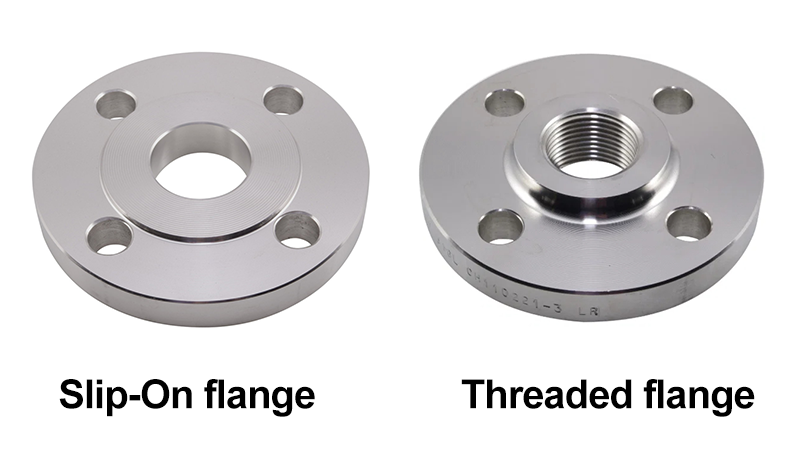
- Slip-On Flange (Insert Flange): Simple installation for coolant hoses and water outlets.
- Threaded Flange: Used in some smaller engine cooling connections, easy to remove without welding.
Replacing a warped coolant flange fast keeps the engine safe.
Turbo Flanges: Handle the Heat
Turbo flanges take a beating—high pressure, high heat. Pick the right one, or you’ll get leaks or weird noises.
Common Types of Turbo Flanges:
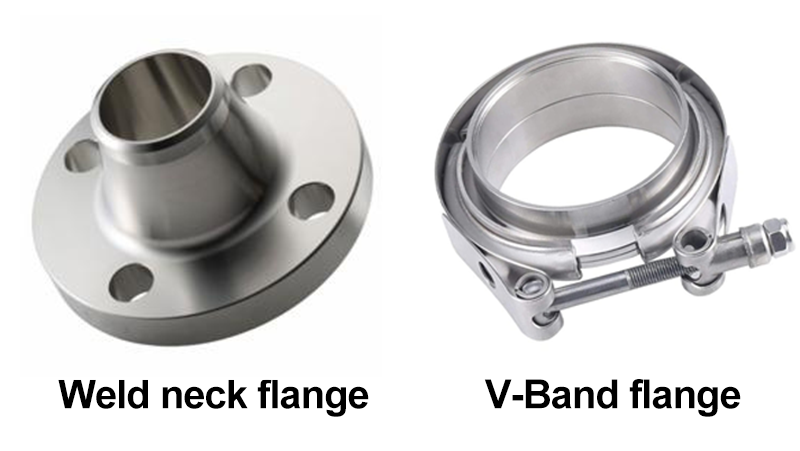
- Weld Neck Flange: Provides high strength and precision alignment for turbo connections.
- V-Band Flange: Often used for aftermarket turbo setups for quick assembly/disassembly.
Precision matters here—bad fit, bad performance.
Drivetrain Flanges: Smooth Power to the Wheels
Transmission flanges connect the gearbox to the driveshaft. Solid flanges equal smooth, vibration-free power.
Typical Drivetrain flanges:
- Weld Neck Flange: Standard in transmission-to-driveshaft connections for strength.
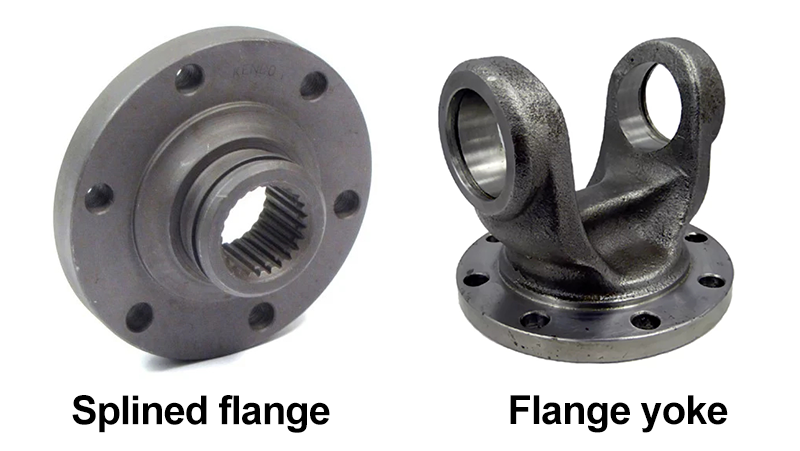
- Splined Flange / Flange Yoke: Provides torque transfer with a precise fit for rotational components.
A quick inspection during routine service can save a lot of headache later.
Materials & Maintenance Tips
CNC flanges are precise and flat; cast flanges may warp. For custom setups, use high-temp materials like stainless steel or Inconel.
Tips for long-lasting flanges:
- Match bolt patterns (2, 3, or 4-bolt).
- Resurface warped flanges to avoid gasket issues.
- Anti-seize bolts and protect undercar flanges from rust.
Flanges might be small, but keeping them in check ensures exhaust, coolant, and power transfer all stay smooth—your car will thank you.