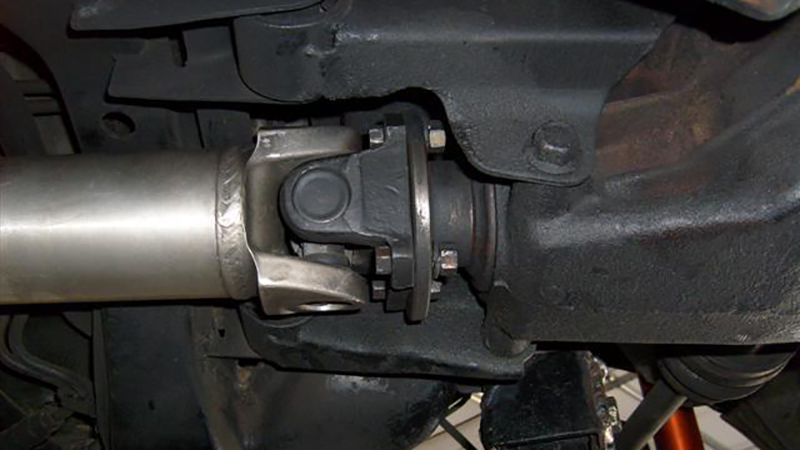
How to Choose the Right Driveshaft End Yoke Size
There is nothing worse than getting under your vehicle and finding your new part does not fit. Even a small difference—like a quarter inch—can make the U-joint impossible to install.
In real work, experienced mechanics know one thing: searching by year, make, and model is not enough. It does not guarantee the correct drivetrain fit.
Using the wrong part can cause vibration at high speed or even break metal parts. This can quickly damage your drivetrain.That’s why the industry uses a “yoke series” system, such as 1310 or 1350. These numbers clearly define the exact size of the yoke.
To choose the correct driveshaft end yoke, you need to measure three key points. Use a digital caliper. Accurate measurement is the only way to ensure a proper fit between the transmission and the differential and to match the correct End Yoke.
Identify Your U-Joint Series by Measuring the ‘Cradle’
Many people ask: “How do I know my U-joint size?” This is a common problem during repairs or custom builds.Instead of checking long charts, you only need to measure the yoke itself.
First, measure the inside distance between the two yoke ears. These are the metal tabs that hold the U-joint. This width is the main way to identify the series.
For example:
A 1310 series yoke is 3.219 inches wide.
A 1350 series yoke is 3.625 inches wide.
Next, measure the U-joint cap diameter. This is the round cup that holds the needle bearings.
A 1310 series uses a 1.062-inch cap.
A 1350 series uses a 1.188-inch cap.
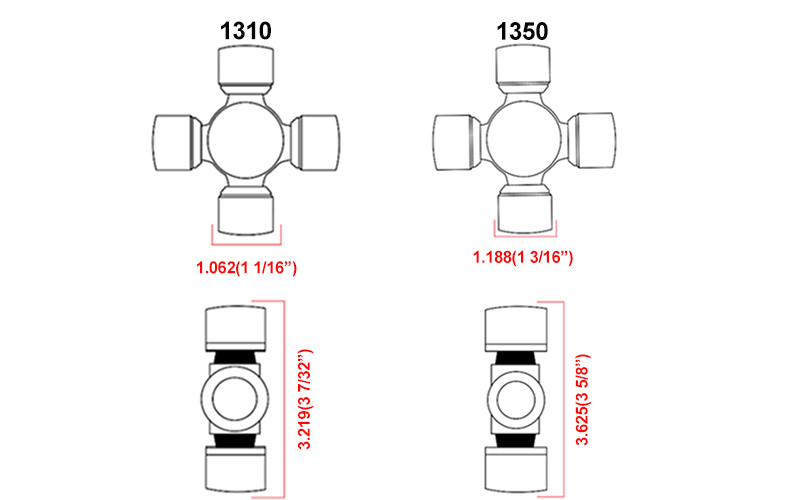
Follow these simple steps:
- Step 1: Measure the inside width between the yoke ears
- Step 2: Measure the hole size for the bearing cap
- Step 3: Match both numbers to a standard series
Getting the Right Fit on the Shaft: Splines and Diameters
Choosing the correct U-joint size is only part of the job. The yoke must also fit your shaft correctly.Think of this connection like a key and a lock. Both sides must match perfectly.
Start by measuring the transmission output shaft diameter. Measure across the top of the splines. This is called the major diameter.This ensures the yoke can slide onto the shaft.Next, count the splines. Splines are the small teeth inside the yoke that transfer power.If you count incorrectly—even by one—the yoke will not fit.
Use these tips:
- Mark your starting point so you don’t lose count
- Look for a “master spline” (a missing or wider tooth)
- Double-check your number with a size chart
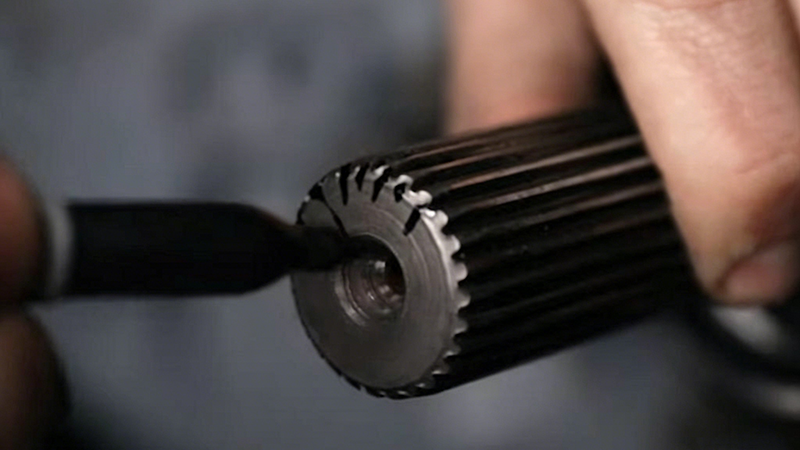
If everything matches, the yoke should slide on smoothly by hand, especially when paired with a properly sized Slip Yoke for driveline movement.
The Key Factor: Internal vs. External Snap Rings
Even if your size and splines are correct, one small detail can still cause problems: the snap ring type.
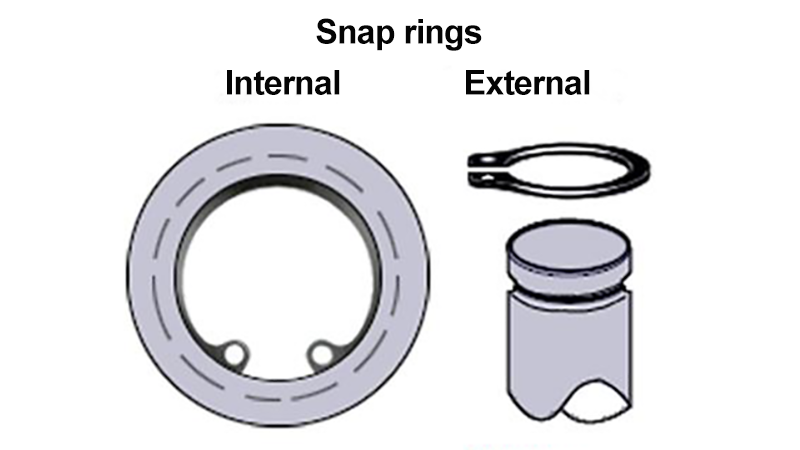
There are two types:
- Internal snap ring
- External snap ring
If there is a groove inside the ears, it uses an internal snap ring.If the ears are smooth and the groove is on the U-joint cap, it uses an external snap ring.This detail is very important. The wrong type will not hold the U-joint in the correct position.
Solving Vibration Issues with Proper Fitment
A small mismatch can cause serious vibration at high speed.If the yoke is loose on the shaft, it creates “runout.” This means the shaft does not spin evenly.This is a common cause of driveshaft vibration.To avoid this, make sure the yoke is fully seated and aligned correctly.
Check these before starting the vehicle:
- Push: Make sure the yoke is fully inserted
- Pull: Check that it does not slide out
- Spin: Rotate it to ensure smooth movement
A correct fit keeps the shaft centered and protects your transmission bearings.
Final Fitment Checklist
You no longer need to guess when choosing parts.By measuring the U-joint size, counting splines, and checking the snap ring type, you can find the exact match.This is much more reliable than using basic vehicle information.
Always measure carefully before ordering. Check your numbers against a standard size chart.Whether you need a standard replacement or a heavy-duty yoke, correct measurement ensures a perfect fit.With the right preparation, you can build a safe and reliable drivetrain without trial and error.