
Should You Repair or Replace a Driveshaft?
Think of your vehicle’s driveshaft as the silent workhorse of your drivetrain—it’s the critical link that channels power from the differential straight to your wheels. But when this component wears out or breaks, your journey comes to an abrupt stop. Facing a faulty drive shaft? The big question is: repair or replace? Let’s break it down with a practical example to guide your choice.
Common Signs of a Bad Driveshast
Before deciding whether to repair or replace a driveshaft, it is important to recognize the common warning signs. Typical symptoms include vibration during acceleration, clunking noises, grease leakage around the CV joint, steering wheel shaking, and difficulty handling the vehicle at higher speeds.
Ignoring these symptoms may lead to more serious driveline damage and expensive repairs later.
When Replacement Wins: Tim’s Off-Road Dilemma
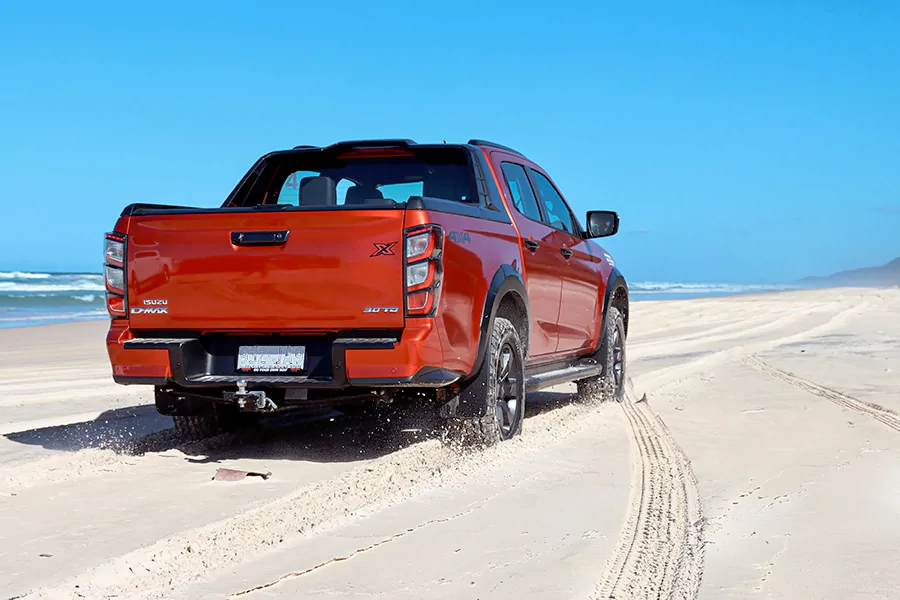
Tim, an avid off-roader, relies on his stock 4WD HiLux for weekend adventures. During a routine check, he spotted a cracked protective boot on his drive shaft. Ignoring it led to grease leakage, and a beach trip turned disastrous—sand, saltwater, and grit infiltrated the exposed CV joint. Over time, corrosion ate into the axle spline, and the joint developed excessive play, causing unsettling steering wheel shakes during acceleration.
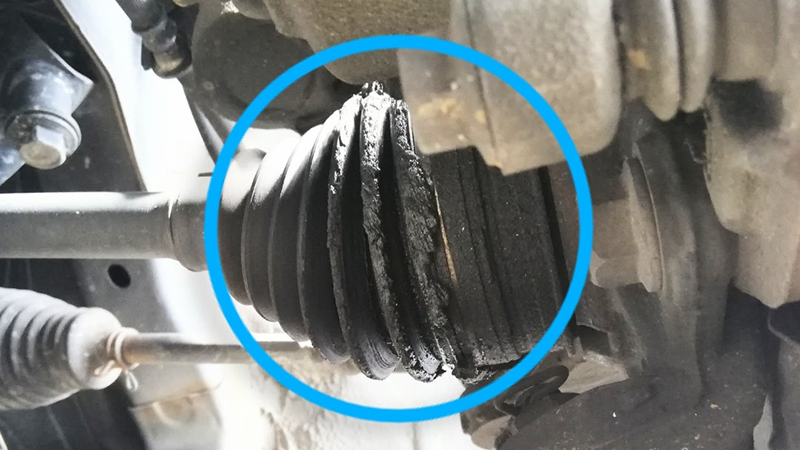
For Tim’s factory-built HiLux, a full driveshaft replacement was the clear answer. OEM drive shafts on 4WDs are durable but not immune to contamination damage. Once abrasive particles breach the joint, rebuilding it often costs more than installing a new unit. A quick visit to a driveshaft expert confirmed the issue, and a fresh assembly was fitted—eliminating vibrations and restoring peace of mind on rough terrain.
When Repair Makes More Sense
Barbara drives a modified V6 Amarok with heavy-duty components for rugged mining site conditions. After accidentally hitting a rock off-road, her steering became stiff, and vibrations shook the wheel. She wisely towed the vehicle to avoid further damage.
In Barbara’s case, repair was the better option. Heavy-duty drive shafts are engineered to withstand impacts, and minor bends can often be fixed. However, two factors needed attention:
A full inspection of the driveline, suspension, and wheels was necessary to rule out collateral damage.
Straightening and rebalancing the driveshaft required specialized equipment and expertise.
Thankfully, technicians confirmed the bend was minor. After precision repairs and balancing, the driveshaft was reinstalled, saving Barbara time and money compared to sourcing a custom replacement.
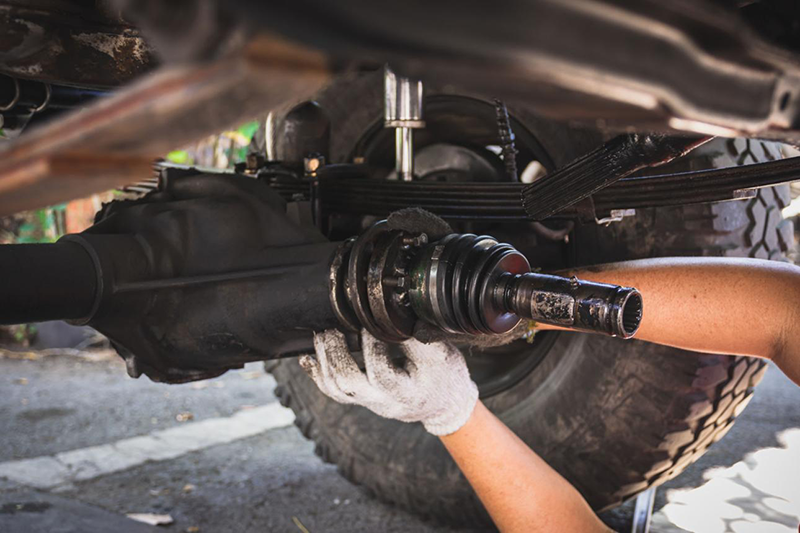
Driveshaft Repair vs Replacement
| Situation | Repair | Replace |
|---|---|---|
| Minor bend | ✔ | ✘ |
| Severe corrosion | ✘ | ✔ |
| Damaged CV joint | Sometimes | Often recommended |
| Heavy vibration | Depends on inspection | Common solution |
| Custom heavy-duty driveshaft | ✔ | Expensive replacement |
FAQ About Driveshaft Repair and Replacement
Can a damaged driveshaft be repaired?
Yes. Minor bends or balancing problems can often be repaired by experienced technicians using specialized equipment.
When should a driveshaft be replaced?
Replacement is recommended when there is severe corrosion, excessive wear, damaged splines, or contamination inside the CV joint.
What causes driveshaft vibration?
Common causes include worn universal joints, damaged CV joints, imbalance, or bent driveshaft components.
Is it safe to drive with a damaged driveshaft?
No. Continuing to drive with a damaged driveshaft may cause further driveline damage and increase safety risks.
Professional Driveshaft Solutions
Whether you’re dealing with a bent drive shaft, or unexplained vibrations, professional assessment is key. At HZSPEEDWAY, we specialize in wholesaling driveshafts for all vehicle types—from everyday cars to heavy-duty trucks.
Quick Link
This article is based on practical industry experience and common driveshaft service scenarios.