
Common Yoke Shaft Failures in Driveshafts: Causes and Solutions
Yoke shafts don’t usually fail all at once—they complain first. A little vibration on the highway, a clunk when shifting from Drive to Reverse, a small drip at the tailhousing. Ignore those early warnings, and what started as minor yoke shaft wear causes can turn into expensive driveline damage.
This guide covers Common Yoke Shaft Failures in Driveshafts: Causes and Solutions with practical steps you can use in the driveway or shop.
What a Yoke Shaft Does
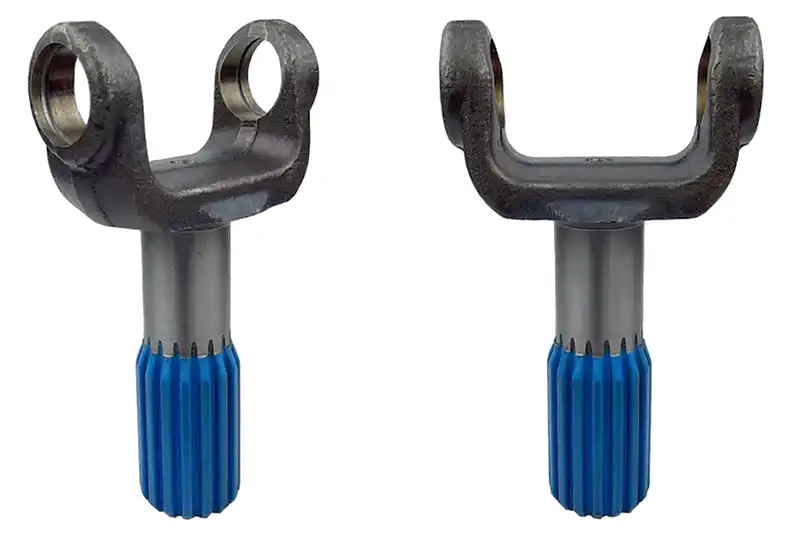
A yoke shaft is a key component of a vehicle’s driveshaft assembly. Depending on the driveshaft design, a yoke shaft may connect the driveshaft to the transmission, differential, transfer case, or another driveline component and help transmit engine torque through the driveline.
Do not confuse yoke shafts with slip yoke. A slip yoke is a type of yoke specifically designed to compensate for axial play in certain types of driveshafts. Not every yoke shaft is a slip yoke. The function of a yoke shaft is dependent on the vehicle driveline.
Because yoke shafts rotate with drive load and mate with U-joints, splines, bearings, and seals, they can both wear out and become damaged over time. Common problems include spline wear, rust, corroded bearing surfaces, worn U-joint mating areas, out-of-round U-joint yoke shaft, seal-surface wear.
Driveshaft Yoke Failure Symptoms to Watch For
Catching problems early is the cheapest fix. Common driveshaft yoke failure symptoms include:
Clunking on takeoff or shift changes (classic “what causes driveshaft clunking” complaint)
Vibration that changes with speed (use a driveshaft vibration diagnosis guide approach—more below)
ATF/gear oil leak at the tailhousing (seal leak at yoke shaft)
Rust dust around the slip joint or shiny “fretted” splines
Binding feeling when suspension cycles (especially after lifts)
The Most Common Shaft Failure Causes (and What They Look Like)
1. Spline Wear and Fretting (Slip Yoke or Stub Yoke)
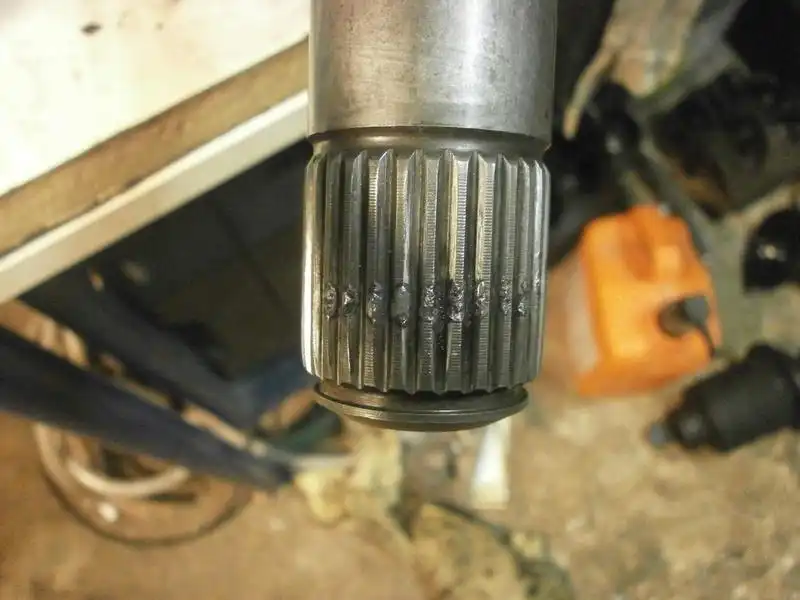
Spline wear is a top entry in any list of shaft failure causes. Over time, poor lubrication, contamination, and driveline angles can create looseness. The result is play that causes a clunk and can accelerate U-joint wear.
Typical Signs
- Polished, tapered, or “hooked” spline edges
- Red/brown fretting dust
- Noticeable rotational lash by hand
Solutions
- If splines are only lightly worn, address root issues first: lubrication, alignment, and sealing.
- For advanced wear, yoke spline wear repair usually means replacement; true spline rebuilding is specialized and not always cost-effective.
2. Slip Yoke Stick-Slip (Binding) from Lubrication Errors
Many “mystery clunks” are really stick-slip: the yoke hangs up, then releases suddenly.
Common Causes
- Wrong grease type
- Contaminated grease
- Overgreasing slip yoke problems (hydraulic lock can prevent proper slip movement)
Solutions
- Clean and re-grease with the correct product (vehicle-specific).
- Purge excess grease properly; don’t just keep pumping.
- If the slip surface is galled, plan on replacement.
3. Seal Surface Wear and Leaks at the Yoke
A seal leak at yoke shaft isn’t always the seal’s fault. Grooving on the yoke where the seal rides can create a permanent seep even with a new seal.
Typical Signs
- Wet tailhousing area, fluid on underbody
- Groove you can catch with a fingernail
Solutions
- Replace the yoke, or install a wear sleeve if appropriate.
- Always inspect the bushing/bearing support—worn support lets the yoke wobble and kills seals fast.
4. Corrosion, Pitting, and Contamination
Water intrusion and road salt can pit splines and seal surfaces. Corrosion also increases friction, leading to binding and accelerated wear.
Prevention
- Prioritize yoke shaft corrosion prevention: intact boots (where used), good seals, periodic cleaning, and correct grease intervals.
- After deep water or heavy winter exposure, inspect earlier than normal.
5. Misalignment and Bad Angles (Especially After Lifts)
One of the most overlooked driveline misalignment causes is suspension modification without correcting angles. Misalignment loads the yoke and joints unevenly.
What You’ll Notice
- Vibration under acceleration or at specific speeds
- Accelerated spline wear and U-joint wear
Solutions
- Correct pinion angle, carrier bearing position (if applicable), and transmission mount condition.
- Consider shims, adjustable links, or a different shaft configuration if angles can’t be brought back into spec.
6. Imbalance and Runout Issues
Sometimes the yoke isn’t “failing” as much as it’s being punished by vibration.
Common Triggers
- Lost balance weights
- Bent tube
- Improper assembly indexing
- Mud packed on the shaft
These fall under driveshaft imbalance causes and fixes.
Solutions
- Clean first, then measure runout.
- If vibration persists, a driveline shop balance is usually cheaper than chasing parts.
How to Inspect Yoke Shaft (Quick but Thorough)
If you want a repeatable process, here’s how to inspect yoke shaft without guesswork:
- Safety first: chock wheels, support vehicle properly.
- Check for leaks: confirm source (tailhousing seal vs higher up).
- Feel for play: rotate driveshaft back and forth—note lash.
- Slide test: with shaft disconnected (where practical), check smooth slip travel; any notchiness suggests galling/corrosion.
- Inspect splines: look for fretting dust, uneven wear, twisting.
- Inspect seal surface: grooves, pitting, rust line.
- Verify angles and mounts: worn trans mount can mimic misalignment.
If you’re chasing vibration, follow a basic driveshaft vibration diagnosis guide logic: rule out tires/wheels, then check angles, runout, balance, joints, and finally internal transmission/transfer case issues.
Don’t Ignore Torque Specs and Assembly Details
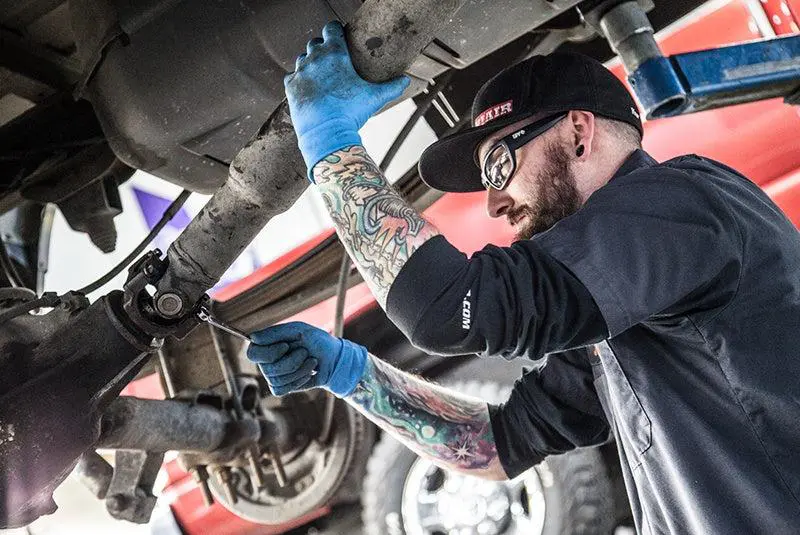
A surprising number of repeat problems come from incorrect fastener torque or missing straps.
- Always follow driveshaft yoke torque specs for straps/bolts and flange fasteners.
- Use threadlocker only if specified.
- Mark and reassemble in the same orientation when applicable to preserve balance.
Takeaway: Fix the Cause, Not Just the Symptom
Most yoke shaft issues start with lubrication mistakes, leaks, corrosion, imbalance, or misalignment—not “bad luck.”
Identify the real shaft failure causes, confirm whether it’s U-joint failure vs yoke damage, and choose the right repair—whether that’s seal/yoke replacement, angle correction, or a balanced shaft.
Done right, you’ll eliminate clunks, stop leaks, and keep the driveline smooth for the long haul.