
Center Support Bearing Supplier Selection Guide
Picking the wrong center support bearing supplier is a mistake that’ll cost you big time. My buddy Frank runs a small trucking company, and last year he got burned bad by a cheap supplier. Three bearings failed in two months. His trucks were sitting in the shop while he waited for replacements that didn’t even fit right. Cost him more in lost revenue than he saved on parts. That’s when it hit me – picking the right supplier isn’t just about price.
Know Your Application Before You Start Shopping
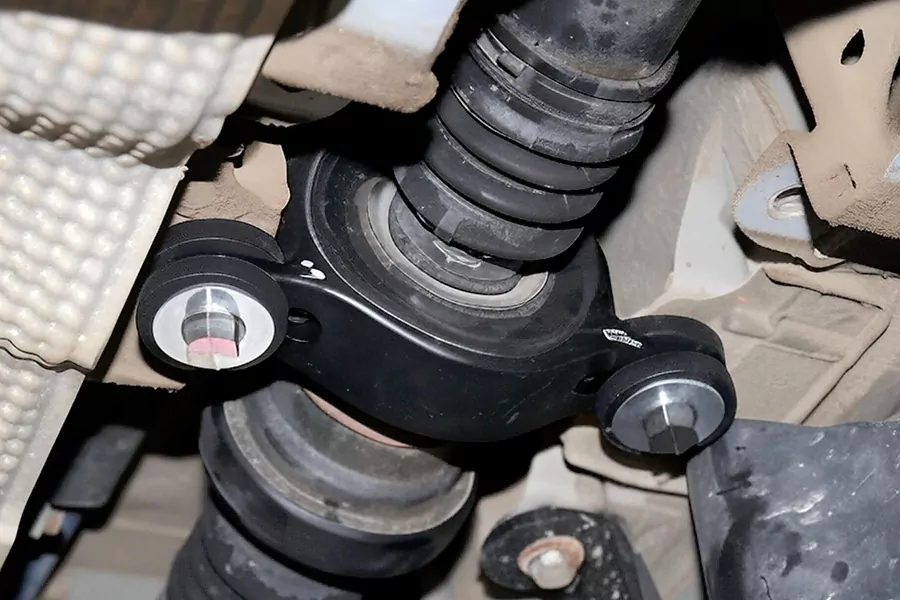
Center support bearings aren’t one-size-fits-all parts. They sit in the middle of your driveshaft and keep it from sagging under its own weight, but the loads, speeds, and operating conditions vary wildly depending on what you’re running.
A bearing for a light pickup truck is completely different from what you need for a heavy-duty commercial vehicle. The commercial applications need reinforced brackets made from heavy-gauge steel and specialized cushioning systems to handle vibration and noise. A decent supplier will quiz you about what you’re actually running. What kind of vehicle? How much weight are you hauling? Where’s it operating – dusty construction sites or highway miles? Hot climates or freezing winters? Any chemical exposure from road salt or industrial environments?
I had one guy try to sell me bearings over the phone without asking a single question about my application. Just wanted my credit card number. Huge red flag. Good suppliers are almost nosy – they want to know everything because they know one size definitely doesn’t fit all.
Quality Control - Look Beyond the Certificates
Look, ISO9001 certificates are nice to have. But honestly? I’ve worked with suppliers who had all the right paperwork and still delivered junk. What really matters is how they actually handle quality control day-to-day.
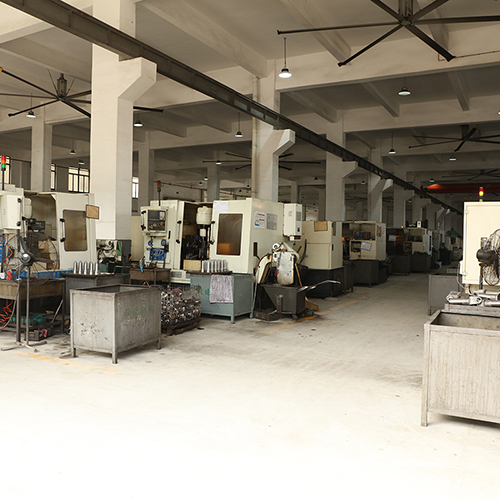
Here’s what I always ask suppliers: “Walk me through your quality control process.” If they can’t give you specifics about how they test parts or what happens when something fails inspection, that’s a red flag. The good ones will tell you about their testing equipment, failure rates, and even show you reject reports.
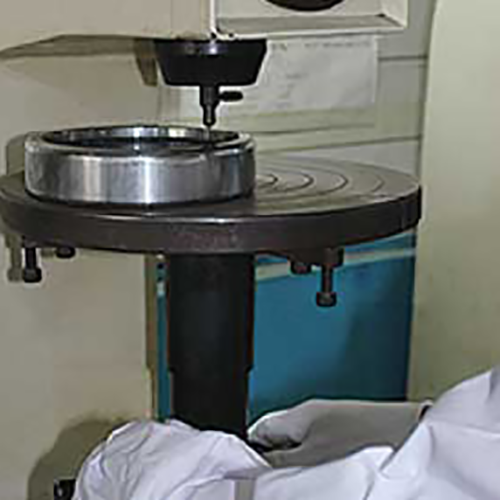
You want to hear about real testing – 3D measuring machines, hardness testers, fatigue cycle testing. Ask about their failure rates and what they do with rejected parts. A supplier who can’t discuss these details probably doesn’t have robust quality control.
Product Range Tells You About Their Expertise
A supplier who only makes one type of bearing? They might be specialists, or they might just be limited. Here’s the thing – I’ve learned to stick with suppliers who stock more than just bearings. You know how it goes: you order a center bearing, then realize you need a new U-joint too. Then the yoke’s shot. Pretty soon you’re calling three different suppliers for one repair job.
I had this happen last winter. Needed a bearing for a ’15 Silverado, but the whole driveshaft was questionable. My usual bearing guy didn’t carry U-joints, so I had to wait another two days for parts from somewhere else. Meanwhile, the truck’s sitting there taking up bay space. Now I try to find suppliers who keep the whole drivetrain family in stock – saves me from playing parts roulette when everything’s falling apart at once.
But here’s the catch – make sure they’re not just resellers slapping their label on random parts. Ask about their manufacturing process and which items they actually produce versus what they source from others.
Response Time Can Make or Break Your Operation
Nothing’s worse than waiting weeks for a simple bearing while your equipment sits idle. I learned this the hard way when a “reliable” supplier left us hanging for three weeks on what should have been a stock item.
Now I always test suppliers with smaller orders first. How fast do they respond to quotes? Do they actually have inventory, or are they drop-shipping from someone else? Can they give you realistic lead times, or do they just say “2-3 weeks” for everything?
Good suppliers maintain stock levels and have backup plans when their primary sources run short. They’ll also tell you upfront if something’s backordered instead of letting you find out when your delivery date comes and goes.
Experience Matters More Than Marketing
I’ve dealt with slick-talking sales reps from new companies who promised everything and delivered nothing. Then I’ve worked with old-school suppliers who might not have fancy websites but know their stuff inside and out.
Longevity tells you something. Back in ’08 when everything went to hell, half the suppliers I knew just disappeared. The ones who survived? They pivoted hard into aftermarket stuff since nobody was buying new trucks. Then COVID hit and everyone’s freaking out about parts shortages. The smart ones had already diversified their supply sources across multiple countries.
Plus, the old-timers have connections. They’ve got relationships with steel mills, logistics companies, maybe even their competitors. When materials get scarce or shipping gets crazy expensive, these relationships matter. A lot.
Global reach is another good sign. Any supplier shipping to Europe has to deal with CE marking. Send stuff to Japan? Their quality standards are brutal. Australia, Canada, different countries all have their quirks. A supplier who’s navigated all that bureaucracy probably has their act together.
Test the Relationship Before You Commit
Start small with any new supplier. Order a few common parts and see how they handle the transaction. Are their parts properly packaged? Do they match the specifications? How do they handle any issues that come up?
Pay attention to communication style too. Do they return calls promptly? Can their technical staff answer detailed questions about applications and specifications? Do they seem genuinely interested in understanding your needs, or are they just trying to move inventory?
Putting It All Together - A Real Example
Let me show you how these criteria work in practice. I recently evaluated HZSPEEDWAY, a supplier that’s been around since 2000 – they’ve got the longevity factor covered. When I asked about quality control, they walked me through their testing setup: 3D measuring machines, hardness testers, and they put their drive shafts through over 500,000 fatigue cycles. That’s the kind of real-world testing that catches problems before they reach your equipment.
Their product range covers everything from weld yokes to splined sleeves and center supporting bearings. They hold certifications like ISO/TS 16949:2009, ISO 9001, CE, and CCC – but more importantly, they could explain exactly what each certification meant for their manufacturing process.
When I tested them with a small order, parts arrived on schedule, properly packaged, and matched specifications exactly. Their technical staff could answer detailed questions about load ratings and application-specific requirements.
This is what you’re looking for – not just paperwork, but demonstrated competence across all the critical areas.

The Extras That Actually Matter
Here’s where some suppliers really shine – the stuff that doesn’t show up on the invoice but saves you headaches later. Some will custom-machine parts for weird applications. Others keep a spreadsheet of what you typically order and give you a heads-up when stock runs low.
Some offer training for your mechanics. Sounds silly until you realize your guys have been installing bearings wrong for years, causing premature failures. A two-hour training session can save thousands in comebacks.
Look, I’m not gonna lie – the good suppliers charge more for this stuff. But I’d rather pay extra than get a call at midnight because some bearing crapped out and now we’re looking at emergency towing fees and pissed-off customers.
Bottom Line
After all the headaches I’ve dealt with over the years, I’ve figured out that your bearing supplier is basically another employee. Some employees show up, do the job, and go home. Others actually give a damn about whether you succeed or fail.
Find the ones who give a damn. Start with small orders so you’re not betting the farm on some new guy. Ask the annoying questions about their quality control and manufacturing process. Make sure they actually understand what you’re trying to fix, not just what you’re trying to buy.
Trust me on this – spending a few hours vetting suppliers beats the hell out of explaining to customers why their truck’s been down for three weeks waiting on the wrong parts.
This article is based on the practical experience of industry practitioners